
- Email: info@example.com
- 380 Albert St, Melborne


Demoralized by the charms of pleasure of the moment so blinded by desire that they cannot foresees the pain.
Sender
Sender
Instructions
Revealing the myths surrounding casino gambling behavior
Understanding the Allure of Casinos
The world of casinos is often shrouded in misconceptions that may mislead both potential and seasoned gamblers. Many believe that casinos manipulate outcomes through deceptive practices, creating an environment where wins seem unattainable. In reality, random number generators play a central role in determining game results, ensuring fairness and unpredictability. The perception of machines being “due” for a win contributes significantly to the myths surrounding gambling behavior, fostering a sense of false expectancy among players.
The flashing lights and vibrant sounds of the casino create an emotional experience that can cloud judgment. People may feel an overwhelming compulsion to play, pushing them to make unplanned bets. Importantly, understanding that loss is a fundamental part of gambling can help players manage their expectations and maintain responsible behavior. This emotional engagement is often exaggerated in popular culture, reinforcing the myth that everyone is destined to win big, when in fact, the odds are invariably against the player. As players become immersed in this high-energy atmosphere, they may neglect their financial boundaries, leading to impulsive decision-making that can result in significant losses.
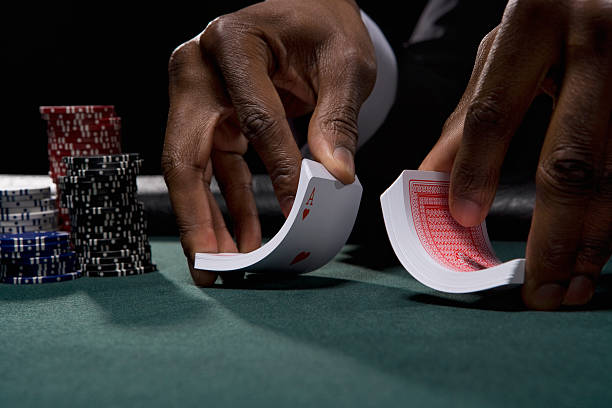
Moreover, the social environment of a casino can amplify these tendencies. Friends and strangers alike can heighten the sense of excitement and urgency, making it difficult for individuals to step back and reassess their actions. Recognizing these influences is essential for anyone looking to enjoy gambling in a responsible manner, ensuring that the entertainment aspect remains the primary focus.
The Impact of Superstitions in Gambling
Superstitions pervade the gambling world, with players frequently attributing their wins or losses to luck or personal rituals. From lucky charms to specific seating arrangements, many gamblers believe these practices influence outcomes. However, these beliefs often have no scientific backing. The belief in superstition can lead to irrational decision-making and behavior that diverges from logical strategies, ultimately affecting a player’s experience and outcomes.
Moreover, the need for control in uncertain environments, like casinos, may drive individuals to adopt such superstitions. Recognizing these patterns is crucial for understanding gambling behavior. Awareness can help players break free from harmful conventions, allowing them to approach gambling as a form of entertainment rather than a means of income or a magical endeavor. It’s important to realize that the fascination with superstitions may also stem from a desire to feel empowered in an unpredictable environment, prompting gamblers to continue their rituals despite the lack of evidence supporting their effectiveness.

Chasing Losses: A Dangerous Mindset
One of the most dangerous myths in casino gambling is the idea of “chasing losses.” This mentality drives players to continuously gamble in hopes of recovering lost money, which often leads to even greater financial setbacks. The belief that one can regain losses by simply placing more bets is a fallacy that traps many in a vicious cycle of despair and poor decision-making.
Understanding the psychological triggers associated with chasing losses can illuminate the importance of self-awareness and self-control in gambling. Responsible gamblers recognize that losses should be treated as a cost of entertainment rather than an opportunity for recovery. Emphasizing the need for limits and responsible gambling practices can encourage healthier habits and reduce the potential for addiction. Additionally, if players set predetermined budgets and stick to them, they can minimize the temptation to chase losses, fostering a healthier relationship with gaming.
Peer support and sharing experiences with others can further aid individuals in recognizing when they are falling into the pattern of chasing losses. By discussing their feelings and outcomes openly, gamblers may find clarity and motivation to step back, allowing for reflection on their choices and reinforcing the idea that taking a break is often the best course of action.
The Role of Environment in Gambling Behavior
The layout and environment of casinos play a significant role in influencing gambling behaviors. Casinos are strategically designed to encourage prolonged play, with minimal distractions from the outside world. Features such as complimentary drinks and no clocks contribute to a sense of escapism, which may lead to prolonged gambling sessions and poor decision-making.
Additionally, social influences can heighten a gambler’s experience, with peer behavior often encouraging increased spending and risk-taking. Being aware of these environmental factors can empower players to make conscious decisions regarding their gambling habits. By recognizing how their surroundings impact their behavior, individuals can better navigate their experiences within a casino setting. It is beneficial for players to familiarize themselves with the casino layout before indulging in games, enabling them to strategize their time and money more effectively.
Furthermore, individuals may consider visiting casinos during less busy times to avoid overwhelming stimuli. Finding a quieter time can help promote clearer thinking and improve their ability to make rational choices while gambling, ultimately enhancing their overall experience.
Finding Balance and Responsible Gambling
Understanding the nuanced dynamics of gambling behavior is critical for those who indulge in this activity. By dispelling common myths, players can approach gambling with a more balanced perspective. It’s crucial to remember that gambling should primarily be a form of entertainment rather than a strategy for generating income or solving financial problems.
Resources and tools aimed at promoting responsible gambling behaviors are widely available and can help patrons maintain control over their gaming habits. Educating oneself about the principles of gambling, understanding personal limits, and seeking support when needed are vital steps in ensuring a healthy relationship with gambling. For those who struggle to manage their play, reaching out for help can provide valuable insights into changing harmful patterns.
For more insights and tailored advice, read more about responsible gambling practices that can enhance the gaming experience while promoting safety and well-being. Implementing strategies for self-control and mindfulness can empower individuals to enjoy their gambling experiences without the adverse effects that often accompany excessive play.
Leave A Comment