
- Email: info@psdieselspares.in
- Katraj Kondhwa Road, Pune


Demoralized by the charms of pleasure of the moment so blinded by desire that they cannot foresees the pain.
Sender
Sender
Instructions
Understanding the psychology behind gambling behavior in casinos
The Role of Emotion in Gambling
The emotional landscape of gambling plays a crucial role in influencing behavior. Many players experience a rush of excitement or a thrill as they place their bets, which can lead to impulsive decisions. This emotional high can overshadow logical thinking, making it difficult for individuals to assess their chances of winning realistically. The excitement associated with potential wins often induces players to gamble more than they initially intended, resulting in a cycle of heightened emotions. For instance, visiting https://win-win-uz.com/ can enhance this emotional journey with its various gaming options.
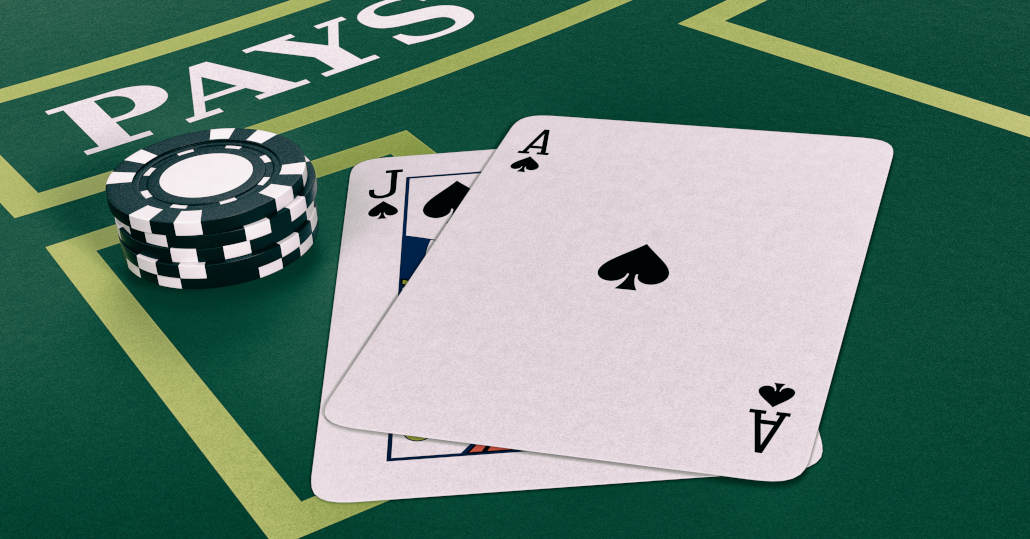
Moreover, emotions such as hope and desire can significantly impact gambling behavior. Players often chase losses, believing that a big win is just around the corner. This mindset can create a sense of urgency and temptation to continue betting, which, unfortunately, can lead to negative financial consequences. The anticipation of winning, coupled with the fear of missing out, keeps players returning to the gaming floor, further entrenching them in the cycle of gambling.
Understanding the emotional triggers in gambling helps explain why individuals may develop problematic gambling behaviors. Recognizing these emotional responses is essential for both players and casino operators. By implementing strategies to manage emotions—like setting limits and taking breaks—players can mitigate the risks associated with emotional gambling and foster a more responsible gaming environment.
The Impact of Cognitive Biases
Cognitive biases play a significant role in gambling behavior, often skewing players’ perceptions of their odds and enhancing their belief in luck. For instance, the gambler’s fallacy leads individuals to believe that past results affect future outcomes, despite each game being independent. This bias can make players feel that they are “due” for a win, prompting them to continue betting, even when logic suggests otherwise. Such irrational thinking patterns can lead to excessive gambling.
Another common cognitive bias is the illusion of control, where players believe they can influence the outcome of games that are fundamentally based on chance. This illusion can manifest in various forms, such as choosing specific numbers or strategies in games like roulette or slots. When individuals believe they have control over the outcome, they are more likely to take risks, often resulting in increased betting and significant losses.
To combat these biases, awareness and education about the nature of gambling can be valuable. Players must recognize that chance governs most casino games. By fostering a more realistic understanding of odds and outcomes, individuals may make more informed decisions, reducing the likelihood of developing harmful gambling habits and improving their overall gaming experience.
Environmental Influences on Gambling Behavior
The design and atmosphere of casinos have a profound effect on gambling behavior. Casinos are often meticulously designed to create an immersive experience that encourages players to stay longer and gamble more. Elements such as lighting, sounds, and layout are strategically employed to enhance excitement and engagement. For example, bright lights and sounds of winning can lure players in, while the absence of clocks or windows can distort their sense of time.
Additionally, social factors play a critical role in shaping gambling behavior. The presence of other players can lead to social reinforcement, encouraging individuals to take risks or bet more than they normally would. Observing others winning can heighten the desire to participate and increase the chances of spending more money. The communal atmosphere of gambling establishments can thus amplify both positive and negative behaviors associated with gambling.
Understanding these environmental influences helps both players and casino operators create a more aware gaming landscape. By acknowledging how these factors impact behavior, individuals can better navigate their experiences in casinos. Operators, on the other hand, can implement responsible gaming practices to foster a safer environment for all patrons, reducing the potential for harmful gambling behaviors.
The Psychological Mechanisms of Reward and Reinforcement
The psychology of reward and reinforcement is central to understanding gambling behavior. Casinos employ various reward systems that appeal to players’ intrinsic motivations. Winning—even small amounts—can trigger the release of dopamine, the brain’s pleasure chemical, reinforcing the gambling behavior. This cycle of reward can create a powerful incentive to continue playing, even when the odds are not favorable.
Variable reinforcement schedules, where rewards are given intermittently rather than consistently, further enhance this effect. Such systems create an unpredictable environment that keeps players engaged and coming back for more, as they never know when they might hit the jackpot. This unpredictability can lead to a relentless pursuit of wins, causing individuals to overlook their losses and the negative consequences of their gambling behavior.
Understanding the role of reward systems can help players make more informed choices about their gambling habits. By recognizing the psychological mechanisms at play, individuals can create strategies to manage their behavior effectively, such as setting limits on time and money spent while gambling. This awareness can also empower them to enjoy the gaming experience without falling into the traps of excessive gambling.

The Rise of Online Gaming Platforms
The evolution of gambling has seen a significant shift with the rise of online gaming platforms. As technology advances, players now have access to a broader range of gambling options from the comfort of their homes. These platforms provide not only convenience but also an extensive selection of games, catering to a diverse audience. Online casinos often utilize sophisticated algorithms to enhance player engagement, further capitalizing on the psychological aspects of gambling.
Online gaming environments mimic traditional casinos while introducing unique elements, such as personalized promotions and social features like chatrooms. These innovations foster a sense of community among players, which can amplify the social influence of gambling behavior. Moreover, the ease of access to online casinos can blur the lines between casual play and compulsive gambling, making it essential for players to remain vigilant and aware of their habits.
As players explore online gaming platforms, it is crucial for them to prioritize responsible gambling practices. Utilizing tools such as deposit limits and self-exclusion features can help mitigate the risks associated with excessive gambling online. Additionally, platforms like WinWin UZ are committed to providing a safe and engaging environment, ensuring that players can enjoy their gaming experience while maintaining control over their gambling behaviors.
Share:

Leave A Comment